
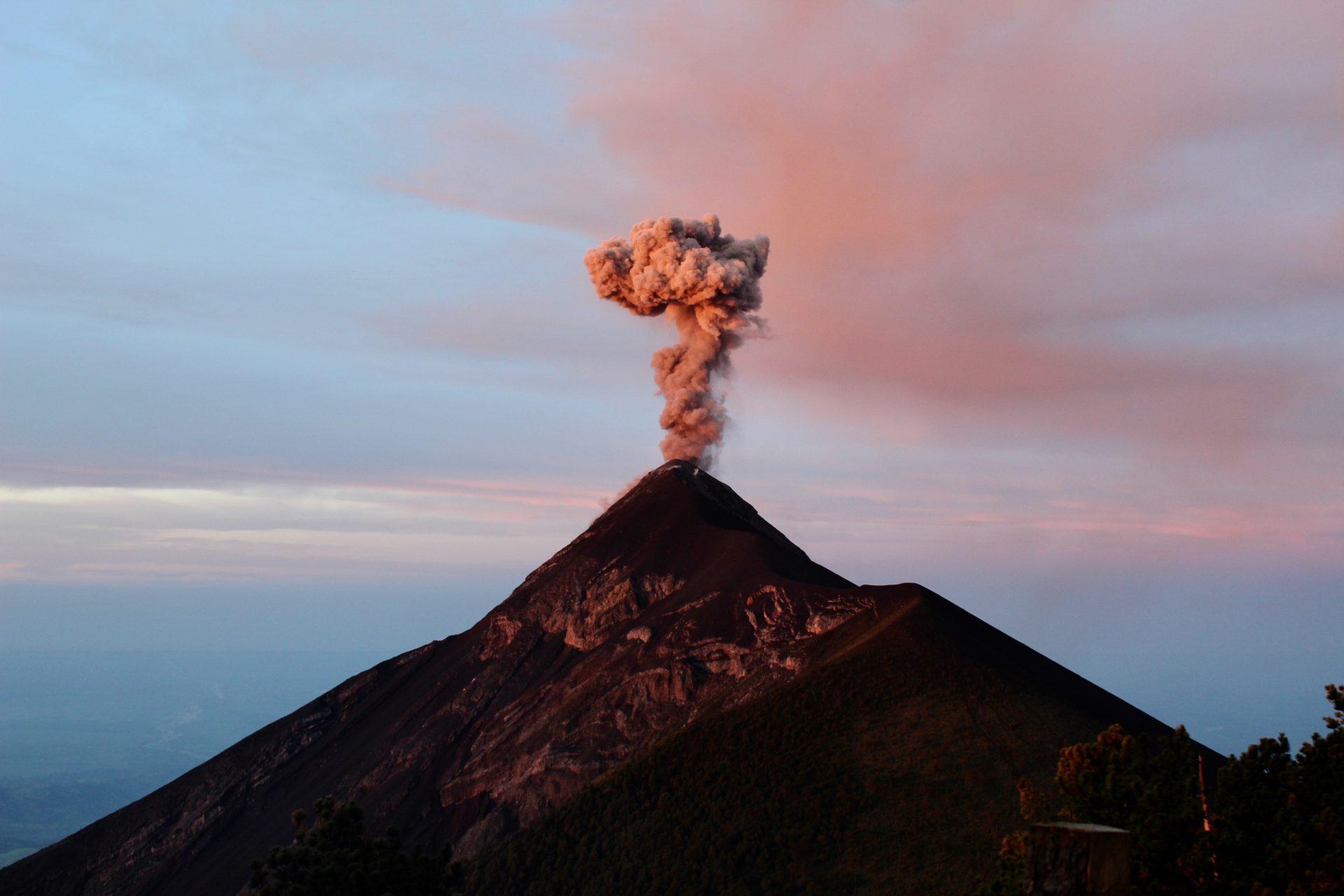
Hiking the Acatenango Volcano is one of the most popular things to do in Antigua, Guatemala and you should definitely put it on your to-do list if you haven’t already!
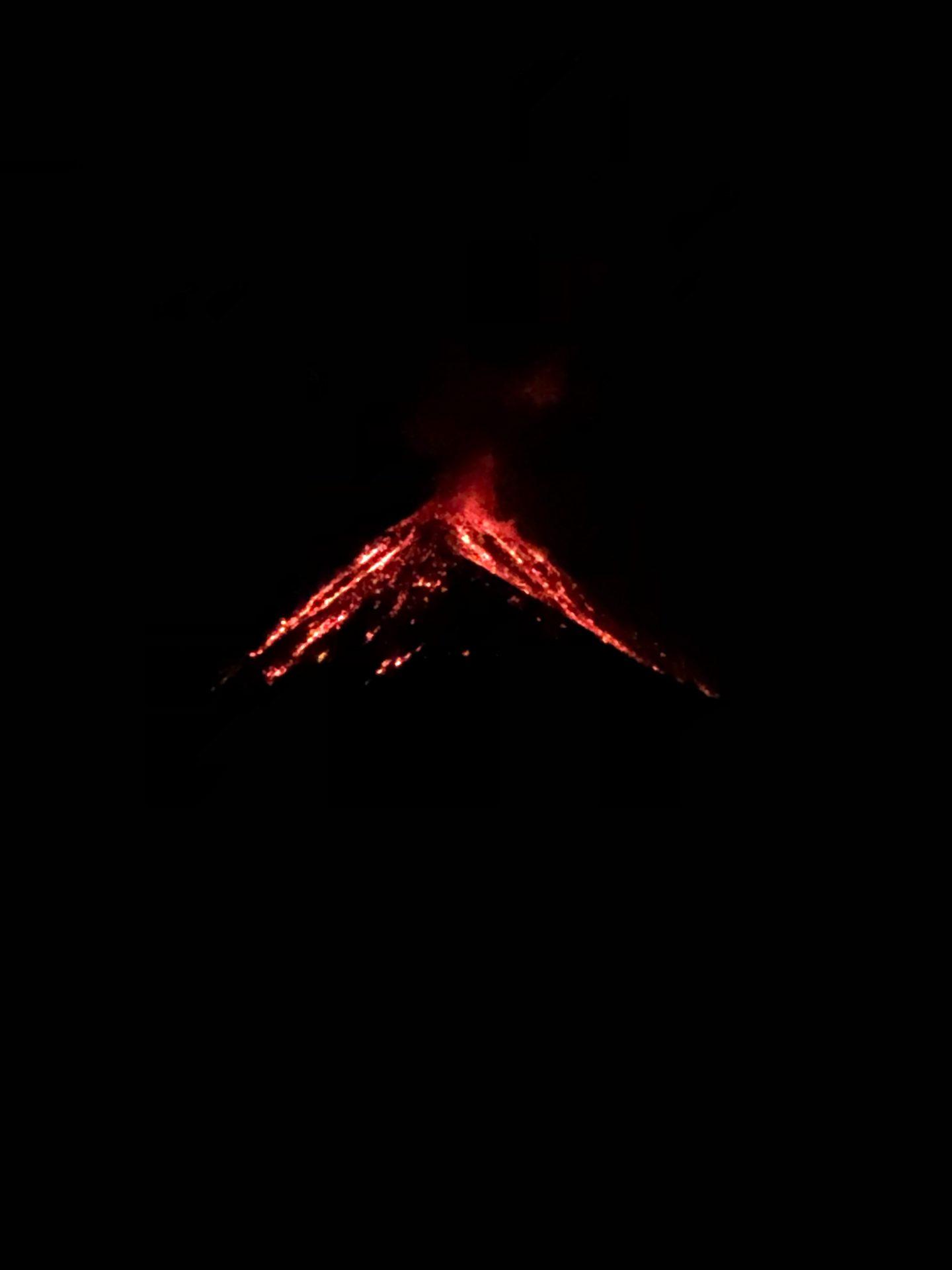
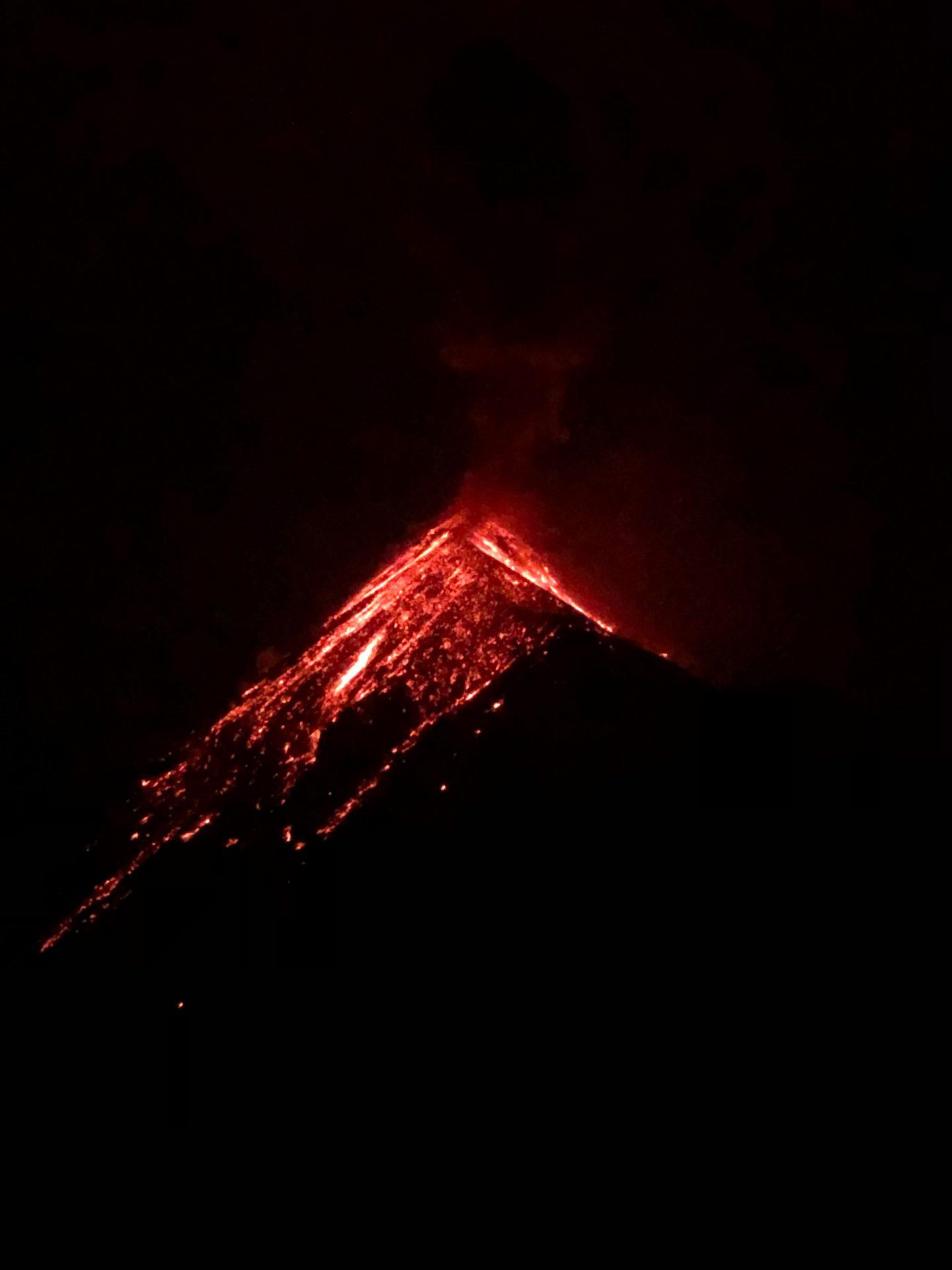
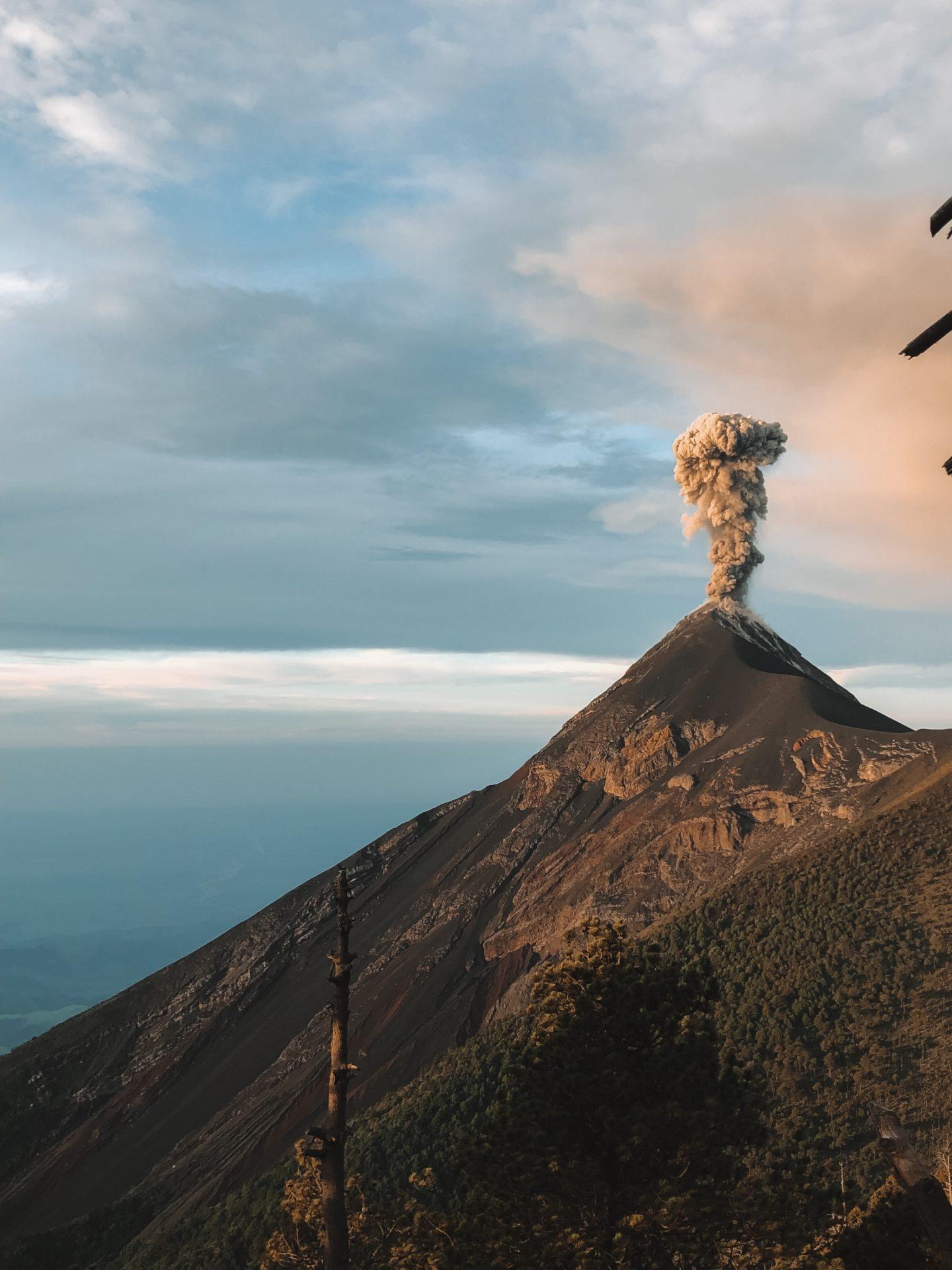
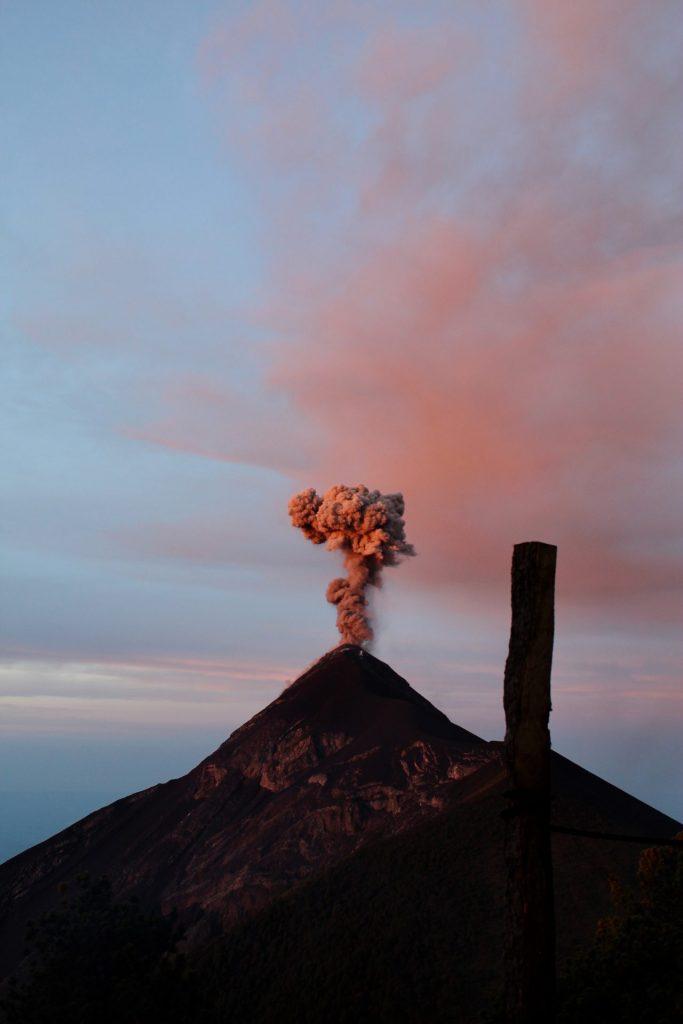
Acatenango is the third-largest volcano in the country. However, the crazy view of Fuego is the reason why people climb Acatenango. Fuego spits lava every 20 minutes and will give you the most breath-taking views ever.
I wrote this travel guide with some background information, where to book, what to expect and things to know before you go.
Background information Acatenango
- Acatenago Volcano summit: 13,044 feet (3,976 meters)
- Elevation gain: 5,253 feet (1,600 meters)
- Distance: 8.6 miles (13.8 km) total
- Difficulty: Pretty difficult
- Time needed: 2 days and 1 night (recommended)
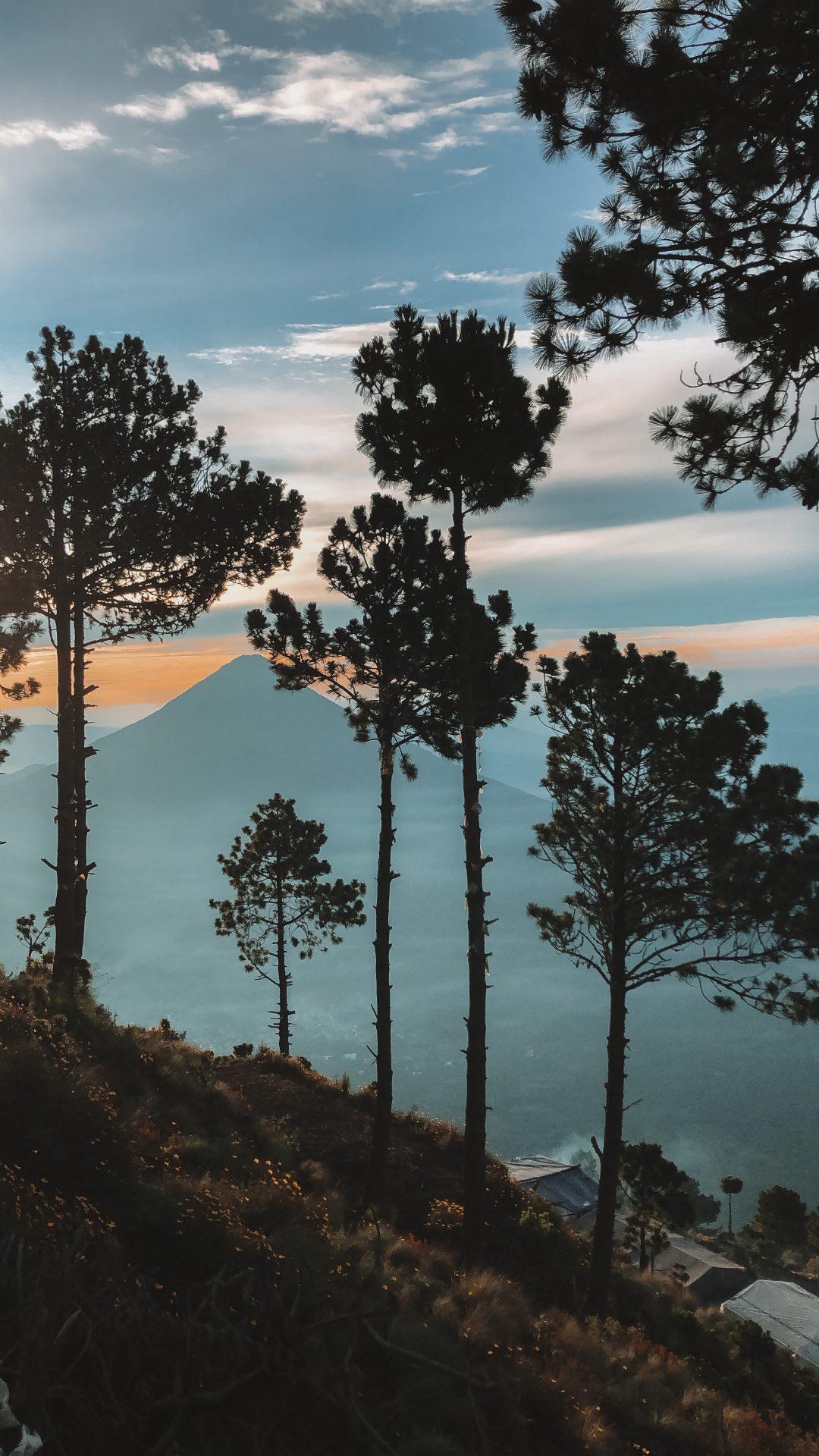
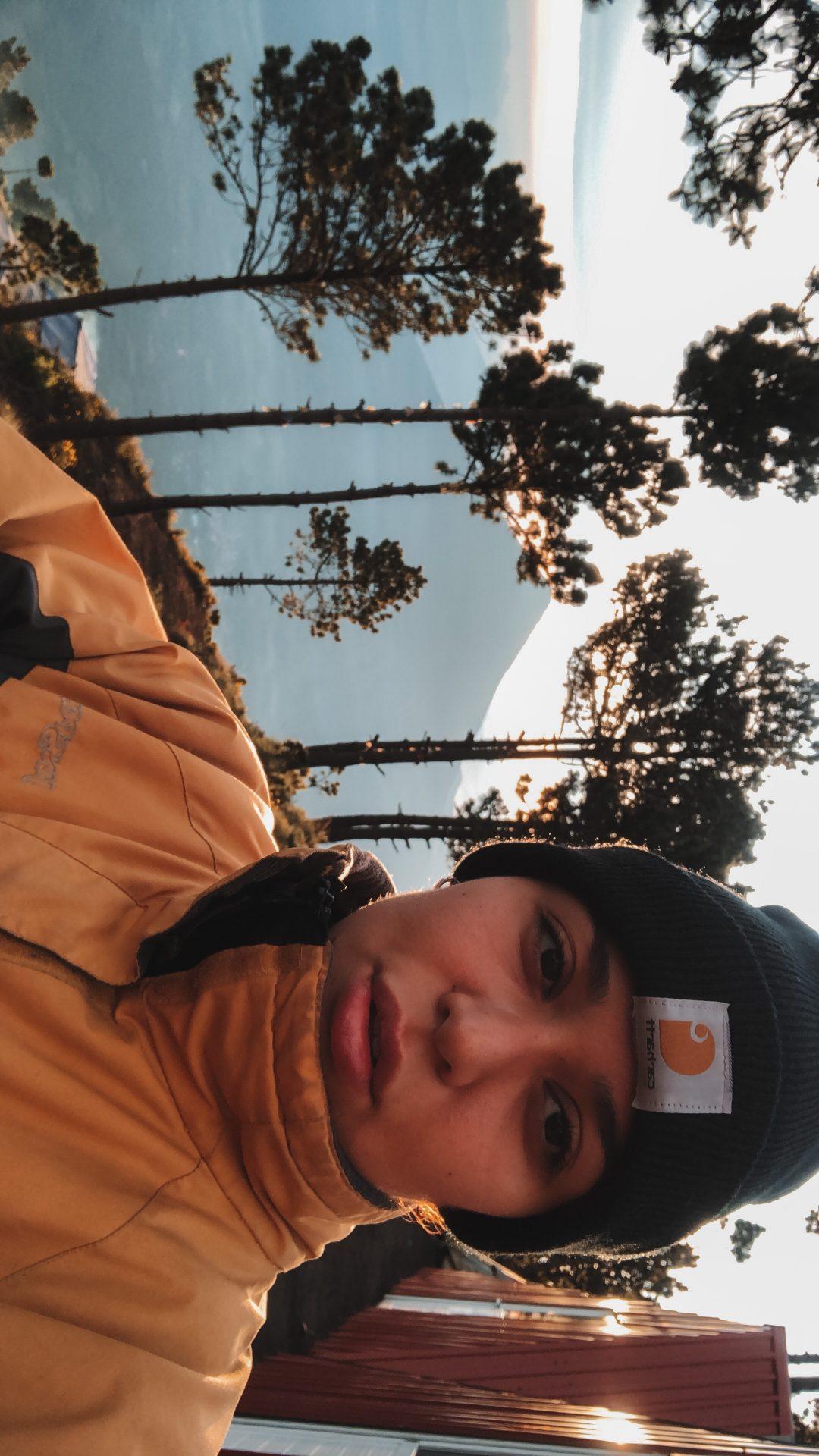
Which tour companies?
Hiking up Acatenango is not an easy thing to do. But with the right guides and equipment, it could become one the most memorable travel experiences you ever had.
Most tours depart from Antigua. The price ranges from 50 USD and 150 USD. I recommend looking online for reviews to see what’s best. If you want to do it as budget as possible, you can visit the offices the day before and compare prices. The more expensive tours tend to have better equipment and more food.
Beforehand, make sure to ask what’s included and what’s not when you book the tour. There are a few things that can make or break your experience.
Do I have to carry my own backpack?
With some tour companies you have to carry your own camping equipment and food on top of your backpack. This can make the hike much harder. I could never do that, because the hike itself was already the hardest thing I ever did. Luckily you have the option to hire a porter for 200Q to carry your backpack and your camping equipment.
Are meals included?
Most companies offer lunch and dinner on the first day and breakfast on the second day. This can be freshly cooked and nutritious food. However, I’ve heard that a lot of company’s insufficient meals that are below standards. Make sure to ask what kind of food they offer beforehand. To solve this problem is to bring your own food/snacks or pay a bit extra for another company that offer good food.
Extra tip to have the ultimate Acatenango experience
Look for a company that has their camp in a good location, so that you can make nice pictures. Some camps are a bit further than most camps. You really want to be right in front of the main attraction Fuego.
Below are the highest rated recommendations and the tour company that I choose:
- Wicho & Charlie’s: 89 USD
- SOY Tours: 57 USD
- Balam Tours: 65 USD
- OX Expeditions: 89 USD
- Tropicana Tours: 64 USD
I booked with Tropicana Tours. If you are on a budget this is your best option. They offer a lot for the amount that you pay.
Our group had 8 people, which I really liked. I was the slowest one and had a really hard time during the hike, but they made sure I was doing fine and waited for me. I saw groups of 20 people or more and I think that makes the experience a bit less personal, especially if you are doing the hike by yourself (like I did).
What’s included in this tour:
- Sleeping bag, mat, pillow, and blanket in a shared cabin.
- Breakfast first day: pancakes, boiled eggs and fruit.
- Lunch: vegetarian burrito, juice, and brownie. (Vegan, gluten-free, lactose intolerant options available).
- 3 vegetarian meals: noodles with vegetables, tortillas with cheese, noodle soup with chicken.Hot dinner is cooked on top of the volcano. They have special menus for food restrictions.
- Coffee, tea and hot chocolate
- Marshmallow to roast on the campfire
- Free storage in the hostel for valuables and anything you don’t want to take uphill.
- Transport to and from the bottom of the volcano
- Entrance included
Before hiking Acatenango
Before hiking Acatenango you will need all the energy on the day of the hike because it’s going to be a hard one. Most people immediately start their adventure in Antigua with the Acatenango hike (that’s what I did), but these tips can help you:
- Go to bed early the night before. Try to get as many hours of sleeps as you can.
- Buy snacks and enough water the day before, so you don’t have to hurry on the day of the hike.
- Bring all the warm clothes and jackets that you have with you. You can literally rent all your gear at the shop of your tour operator, but wearing your own things makes things more comfortable especially shoes.
- If you do bring altitude medication: please do your research, even when your doctor recommended it. A lot of people get hallucinations when they take these pills. I recommend not taking them at all! Your body will protect you and tell you when to slow down or stop. If you do decide to take them: inform your travel guides.
Once you arrived at the tour office, they will offer you coffee, tea, fruits, yoghurt, and bread for breakfast. Try to eat enough to get some energy. They will also give you a paper bag for lunch filled with food.
If you didn’t bring any warm clothes, the shop of the tour operator has your back. They have backpacks, hiking sticks, beanies, scarves, jackets, gloves, water bottles, hiking boots and everything that you can think off. I recommend renting an extra jacket, even if you already have one. Even if you don’t feel cold in Antigua, you will definitely feel cold later during the hike.
How long does the hike take?
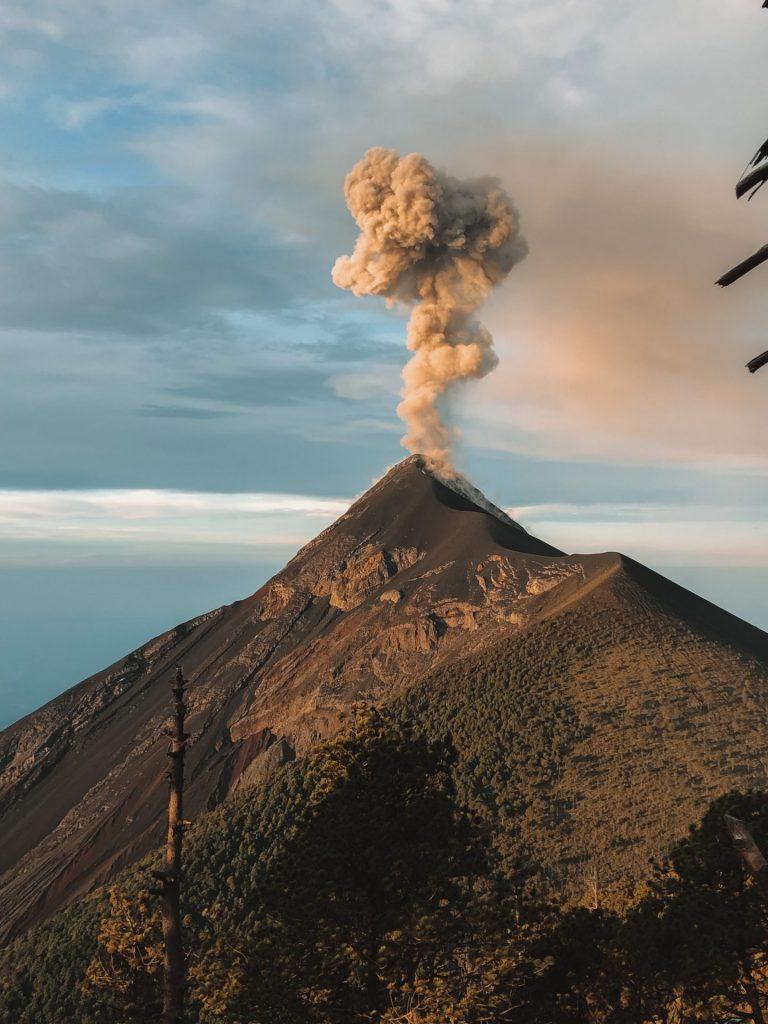
Most people hike Acatenango Volcano over 2 days and 1 night. It is a 14-kilometer round trip that will take you from 4 to 7 hours to reach the base camp on Acatenango. It is another hour to the top, which you hike the next morning.
The best part about this hike is spending the night overlooking Fuego who spits lava every 20 minutes. Also, of I’m correct, there are barely any tour operators who offer a day tour to Acatenango.
When should I hike Acatenango?
The best time to do the Acatenango volcano hike (and to visit Guatemala in general) is during the dry season from November to April. While it doesn’t guarantee good weather, it’s more likely you’ll have clear and pleasant conditions compared to the rainy season from May to October.
No matter what time of year you visit, prepare for cold temperatures at the top of the volcano! The temperature can go down to -5 degrees Celcius at night, so make sure you wear all the layers that you have!
Safety
Hiking Acatenango is generally very safe, but that doesn’t mean that accidents have not occurred before. When I hiked Acatenango our tour guide was telling us about how a group of people died hiking the volcano in 2017. This was during a freezing volcano blast.
The weather got so extreme; their tent blew off in the middle of the night. To descend the slippery volcano in the middle of the night, the entire group died due to hypothermia. Acatenango is almost 4000 meters high, so the temperature can go drop down to -5 degrees Celcius at night.
Even though Fuego eruption is less than 3 kilometres away from Acatenango, hikers are completely safe. Inside of the volcano instruments are installed to make sure that the eruptions of Fuego are in control. A warning will be issued if there is an abnormality.

Acatenango hike difficulty
Hiking Acatenango is a difficult hike and one of the hardest things I ever did in my life. If you are in good shape, you should be able to do it. But to be honest, you can also do it if you are in bad shape (like me). You will just have a harder time than the others and you will be sore the days after. I’m still not sure how I did it, but I did it. And that should motivate you too.
What makes this hike so difficult has to do with several factors, like altitude, temperature and steep slopes.
Altitude
From trailhead to base camp, you will gain almost 5000 feet in elevation in a few hours. The higher you go, the lower the oxygen level. This raises the risk of altitude sickness which can affect the way you feel. Symptoms may vary from mild headache to shortness of breath.
Luckily our group did just fine besides the shortness of breath and a mild headache, but there were a group of hikers we passed who faced strong symptoms of altitudes sickness, like puking or fainting. If you experience symptoms like this, inform your guides so that they can advise you on what to do.
Temperatures
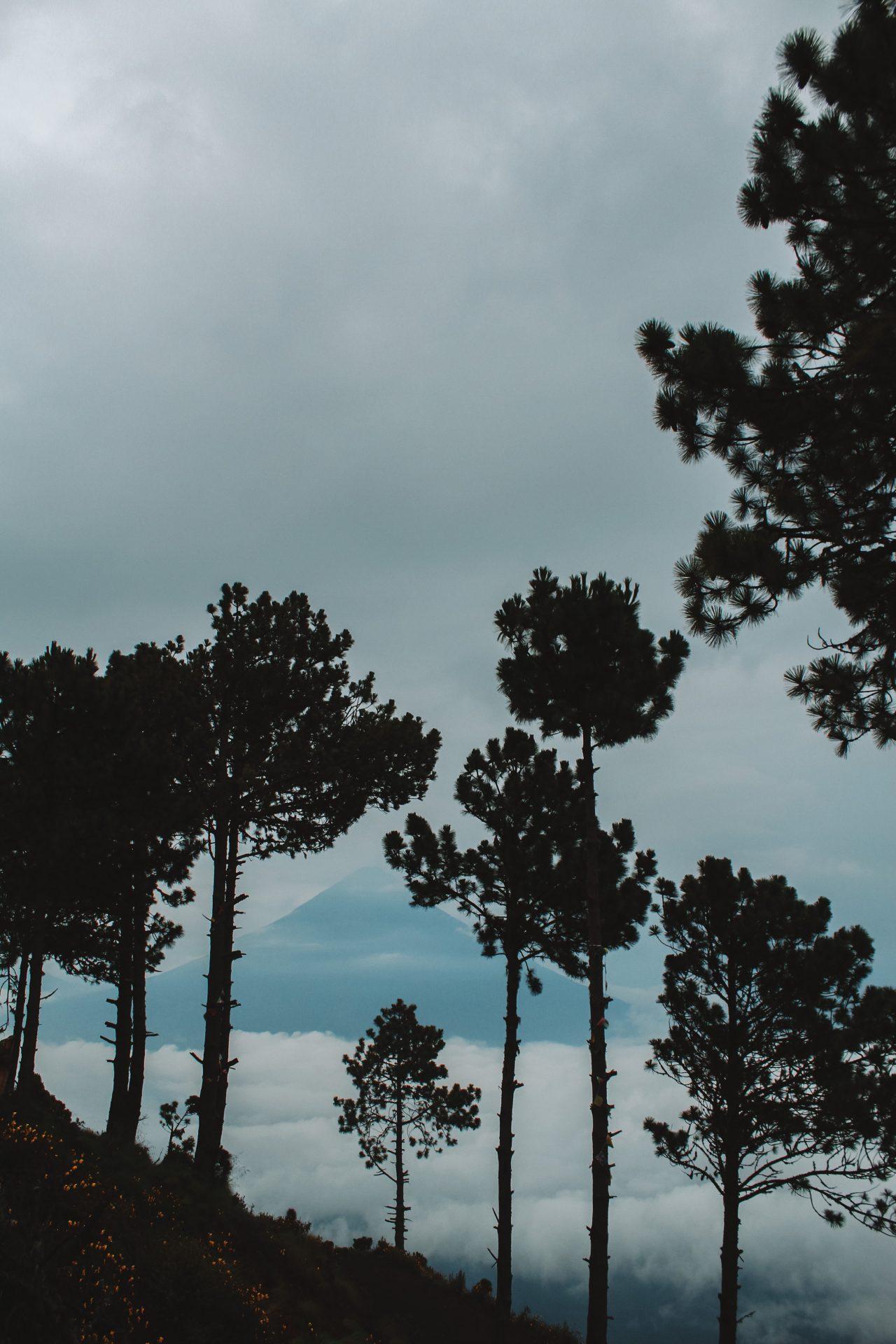
This hike takes you through 4 different ecosystems with different temperatures. You will probably start the hike with the sun burning in your back, making the steep start even harder than it is. As you transcend from the cloud forest higher up the volcano, it gets colder at the top. Changes are you are going to experience rain, hail and snow in a time frame of 15 minutes. At night, the temperatures can drop between 5 and -5 degrees Celsius. At night, the temperatures can be between 5 to – 5 degrees Celsius. You will notice that your body won’t fully receive the warmth that you need to help recover your body. That’s why layers are so important!
Steep Slopes
The hike is very steep uphill, especially the first 2 hours. You will have plenty of breaks, but your body will still have a hard time adjusting. So having strong legs is a big plus in this case. Somehow, the hike back the next day is going to feel just as bad. You will only go downhill for at least 2 hours straight which will give you a lot of pressure on your knees. I couldn’t stand on my legs anymore after I finished and barely made it back to my hostel. So take good care of your body and legs afterwards!
I highly recommend using hiking sticks. It made the hike a bit easier for me because you are putting pressure on the sticks and not fully on your legs. The sticks also saved me a hundred times from falling and slipping.
Packing list
Try to pack as light as possible when you are going to carry your own backpack (also if you pay a porter to carry your backpack). If you don’t own any of the following items, most tour companies rent out all the equipment that you need for cheap. They also provide all your camping gear.
- Backpack 35-45 liter (bigger if you need to carry your camping gear)
- Layers (dry fit if possible)
- Two pair of socks
- Underwear
- Rain jacket
- Headlamp
- Gloves
- Hat
- Hiking sticks
- Hiking boots or steady sneakers
- Portable charger for your phone and camera
- Tripod for the photographers
- Small toiletries
- Toilet paper
- Water and snacks
- Advil
- Extra cash
Do you want to get more inspiration about traveling in Central America? I wrote a few other blogs with hopefully enough information that can help plan your trip.
No Comments